

Summary:
September's Knowva's Fact of the Day series unveiled a captivating array of insights, sparking curiosity across diverse topics. Highlights included butterflies tasting with their feet, the immense size of a blue whale's tongue, and Mars rovers sending selfies back to Earth. These fascinating facts, ranging from nature's wonders to technological marvels, inspire curiosity and a deeper appreciation for the world.
Table of Contents
10. Butterflies Taste with Their Feet
9. Canberra: The Capital of Australia
8. A Blue Whale’s Tongue Weighs as Much as an Elephant
7. 3D Printers Can Make Food, Houses, and Even Body Parts
6. Cheetahs Can Run as Fast as a Car on a City Street
5. Penguins Can Jump Higher Than a Basketball Player’s Waist
4. Octopuses Have Three Hearts
3. Sea Otters Hold Hands While They Sleep
2. Sharks Existed Before Trees Did
Introduction
September was full of fascinating discoveries through Knowva’s Fact of the Day series. Each day offered a new, child-friendly fact designed to spark curiosity and wonder. From amazing animals to incredible inventions, these facts encouraged children to explore the world with open minds.
Here are the top 10 most fascinating facts from September, perfect for curious learners and families alike.
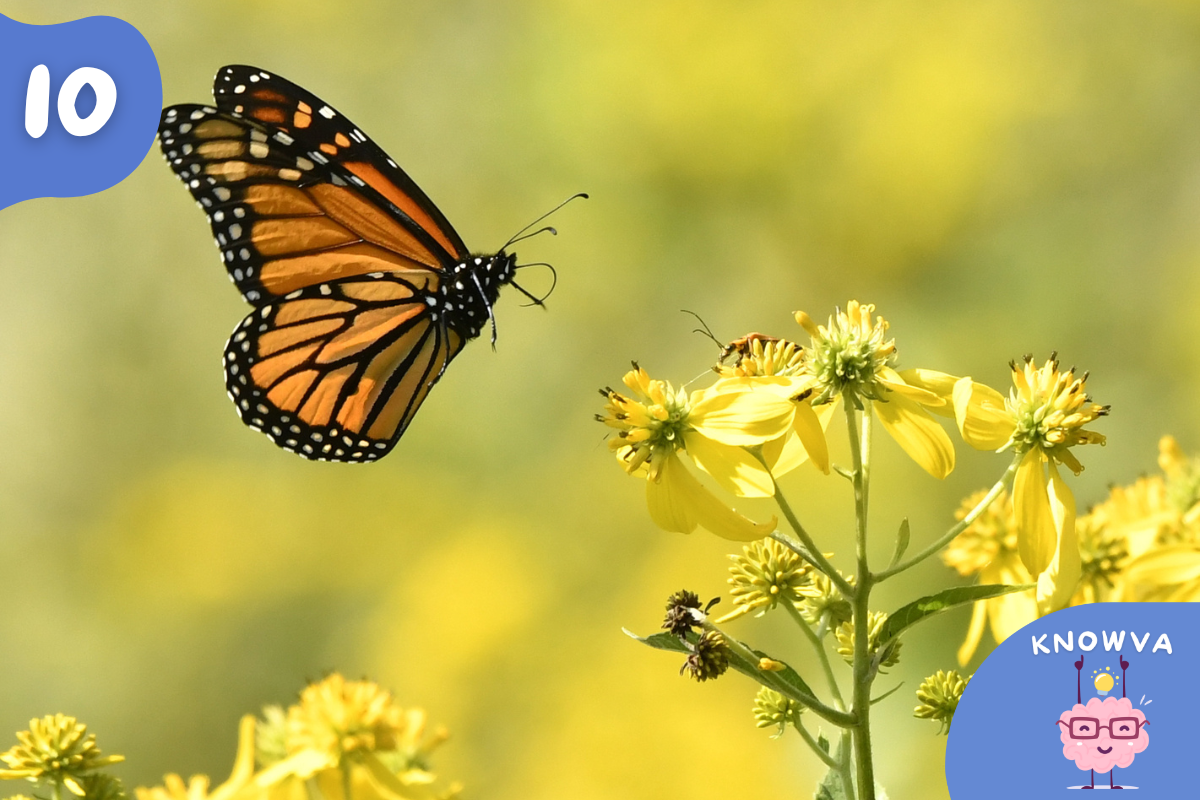
10. Butterflies Taste with Their Feet
Imagine walking on your food to taste it! Butterflies do just that, using special sensors on their feet to identify suitable plants for laying eggs. This unique ability ensures they select the best leaves for their caterpillars.
For children, the idea of tasting through feet is both bizarre and captivating. It highlights the incredible adaptations of nature and encourages a deeper appreciation for these delicate creatures.
9. Canberra: The Capital of Australia
While Sydney and Melbourne often steal the spotlight, Canberra quietly holds the title of Australia's capital. This planned city was chosen to resolve the rivalry between the two larger cities.
Learning about Canberra's role as the capital can inspire children to explore geography and understand how cities are chosen for their strategic importance.

What's Knowva?
Knowva is the safe, ad-free online encyclopaedia for children aged 4–11, designed to help kids learn, explore, and understand the world with confidence.
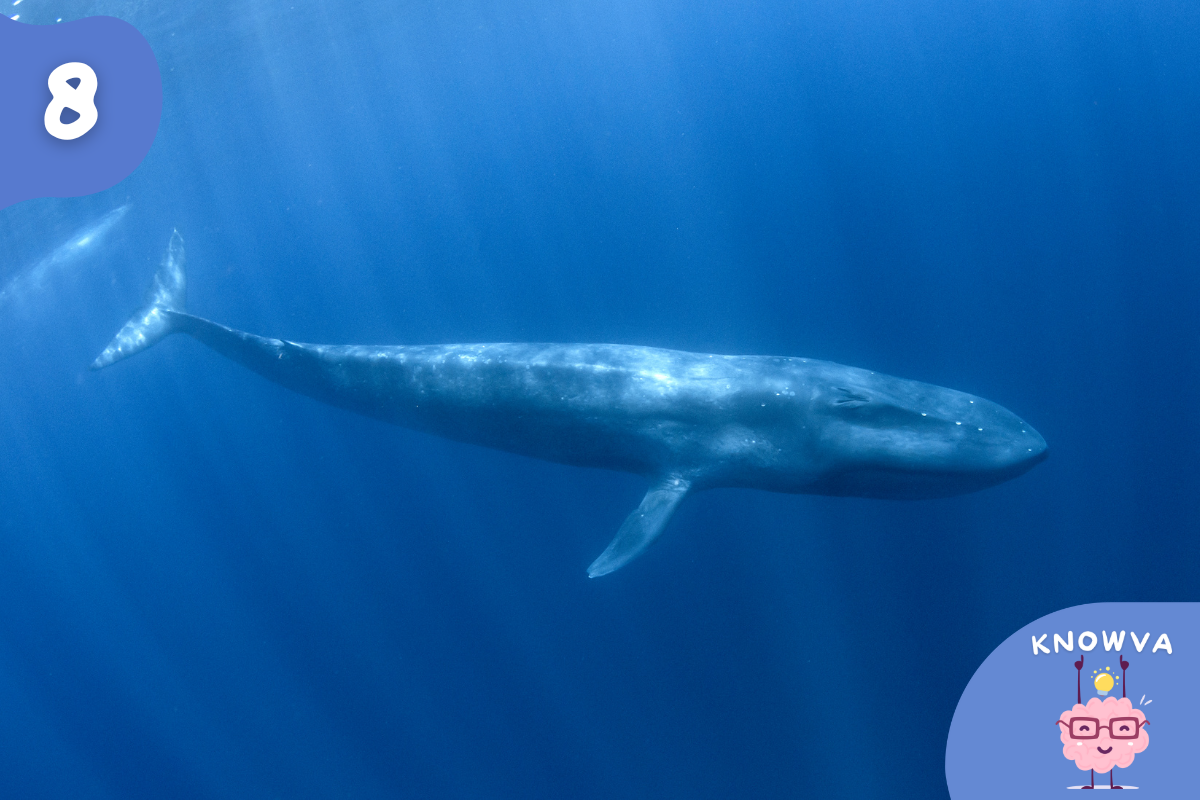
8. A Blue Whale’s Tongue Weighs as Much as an Elephant
The sheer size of a blue whale is mind-boggling, and its tongue alone can weigh as much as an elephant! This fact underscores the immense scale of the largest animal on Earth.
For young minds, visualising something as familiar as an elephant helps grasp the enormity of these ocean giants, fostering a sense of wonder about marine life.
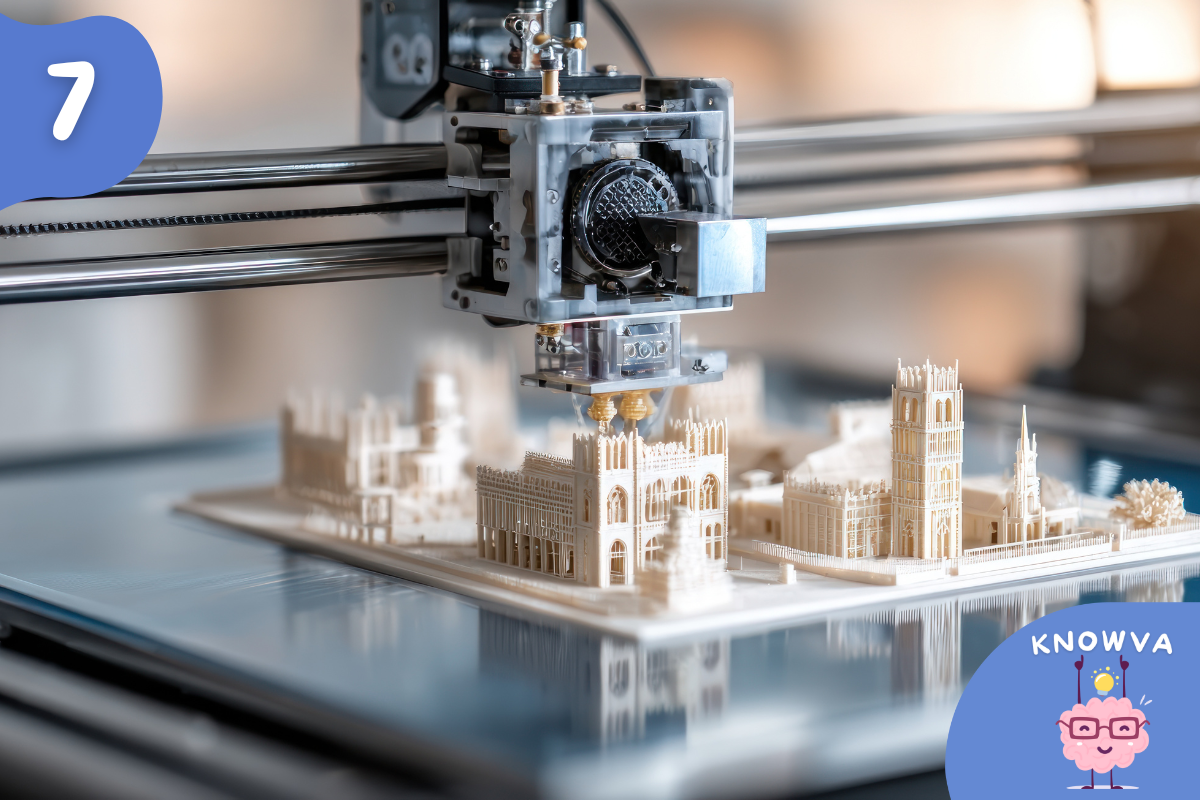
7. 3D Printers Can Make Food, Houses, and Even Body Parts
3D printing technology has revolutionised manufacturing, enabling the creation of everything from intricate food designs to entire homes. It's even paving the way for medical advancements by printing body parts.
This fact showcases the boundless possibilities of STEM - that is, Science, Technology, Engineering and Maths. Children can dream big and think about how they might use such innovations in the future!
Explore more Machines and Technology articles on Knowva, the kids encyclopaedia app
Knowva’s Machines and Technology category helps children understand how everyday machines and inventions work, using simple explanations designed for curious young minds.
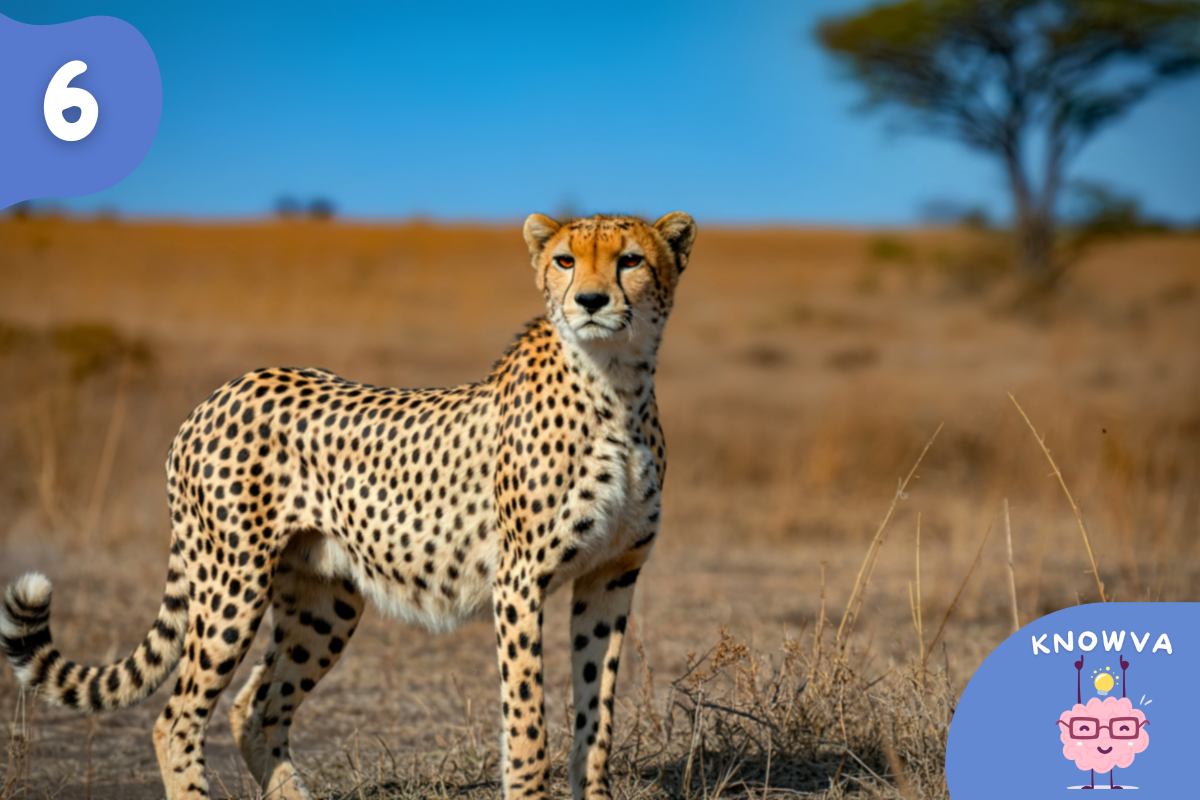
6. Cheetahs Can Run as Fast as a Car on a City Street
Cheetahs are the fastest land animals, capable of reaching speeds comparable to a car driving through a city. This incredible speed is crucial for their hunting success.
Kids love learning about the fastest animals in the world, and the Cheetah is the fastest animal on land.
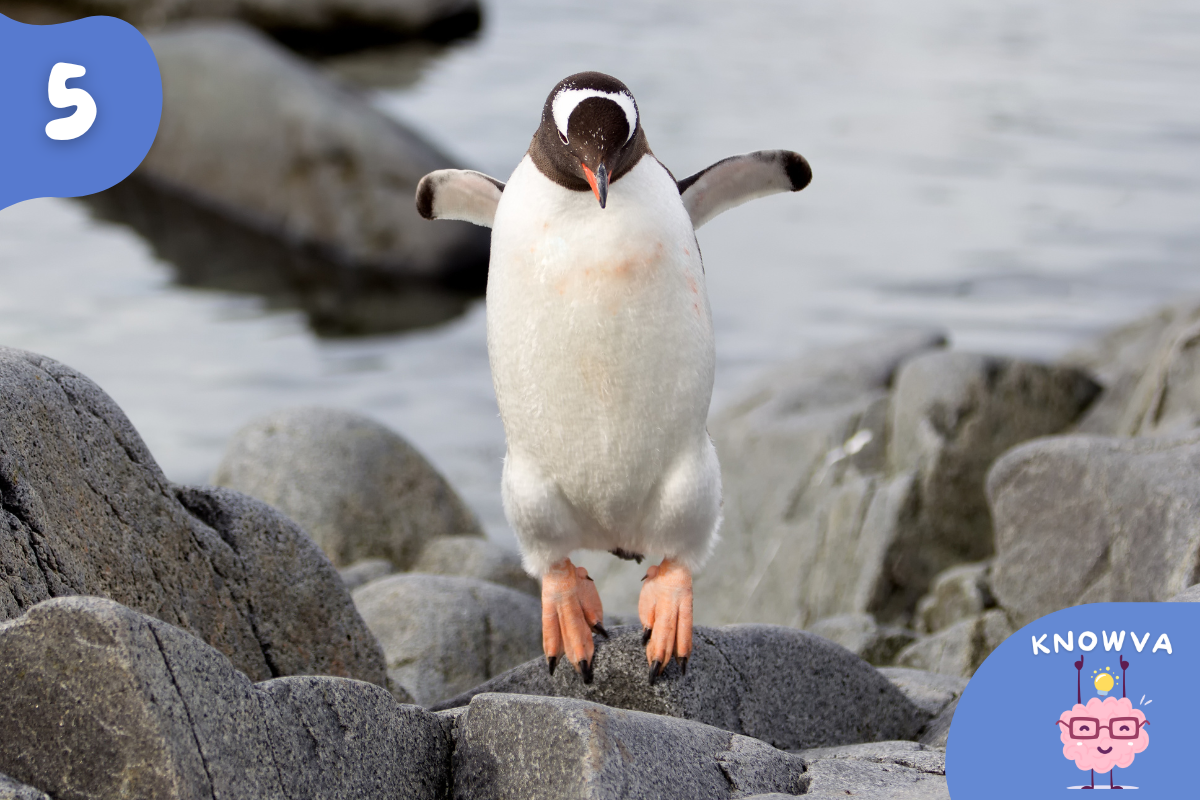
5. Penguins Can Jump Higher Than a Basketball Player’s Waist
Despite their waddling gait, penguins are impressive jumpers, capable of leaping over two metres. This skill helps them navigate icy terrains and escape predators.
For kids, the image of a penguin soaring through the air is both amusing and awe-inspiring, encouraging them to learn more about these charming birds.
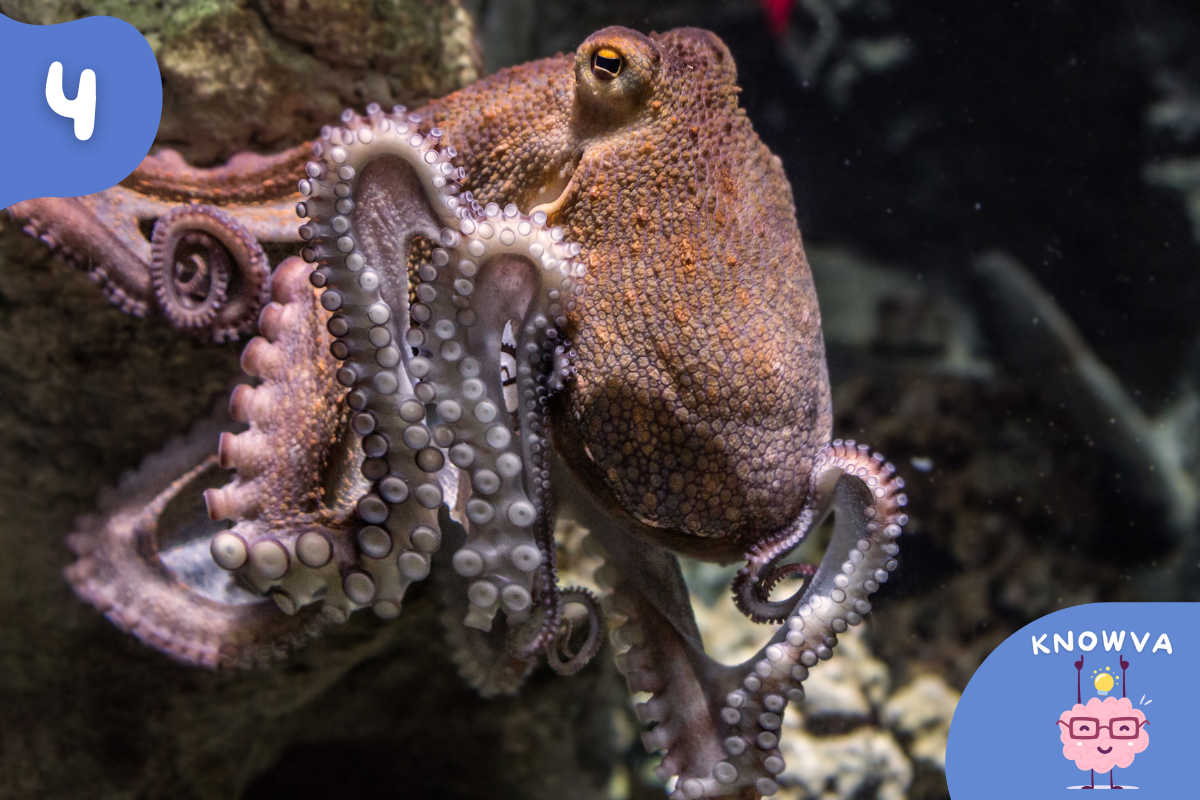
4. Octopuses Have Three Hearts
Octopuses are remarkable creatures with three hearts, two of which pump blood to the gills, while the third circulates it to the rest of the body. This adaptation supports their active lifestyle.
The complexity of octopus biology can captivate young minds, sparking curiosity about marine life and the wonders of evolution.
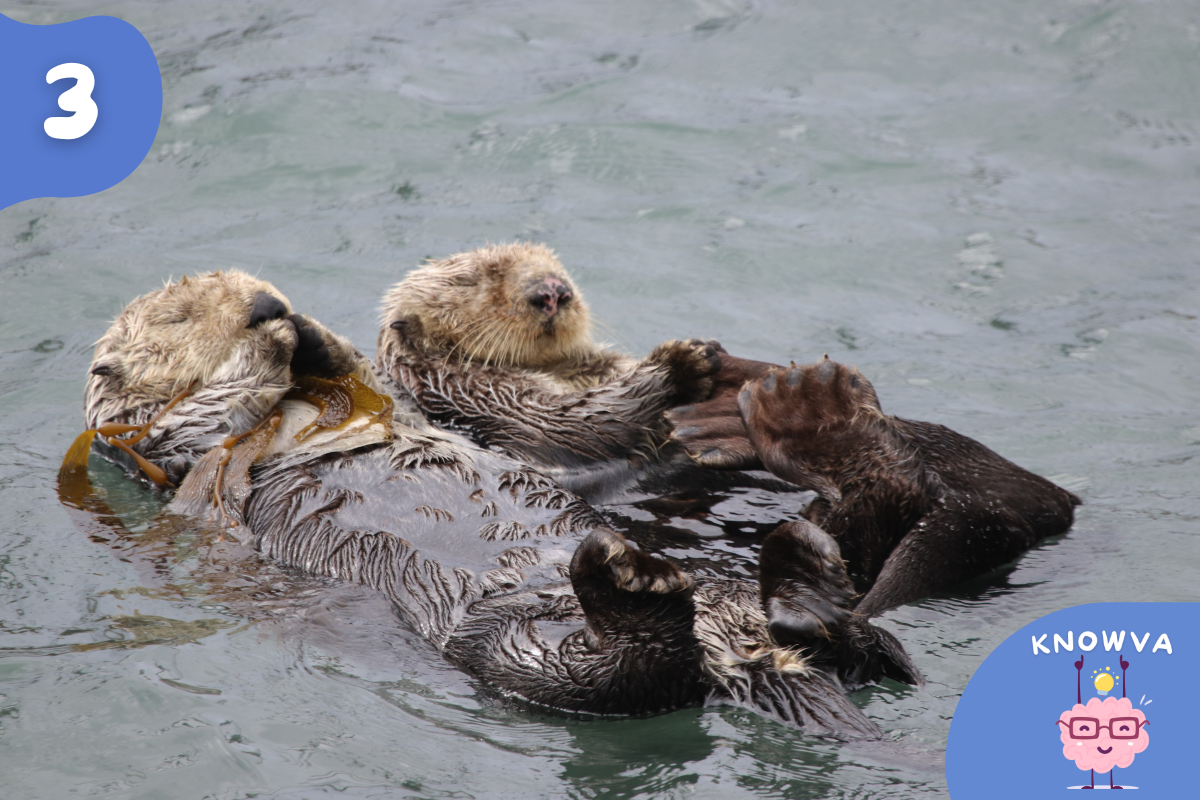
3. Sea Otters Hold Hands While They Sleep
To prevent drifting apart while sleeping, sea otters hold hands, forming 'rafts' to stay together. This behaviour is both endearing and practical, ensuring their safety in the water.
Children are drawn to the cute and relatable nature of this fact, which can lead to a greater interest in animal behaviour and conservation.
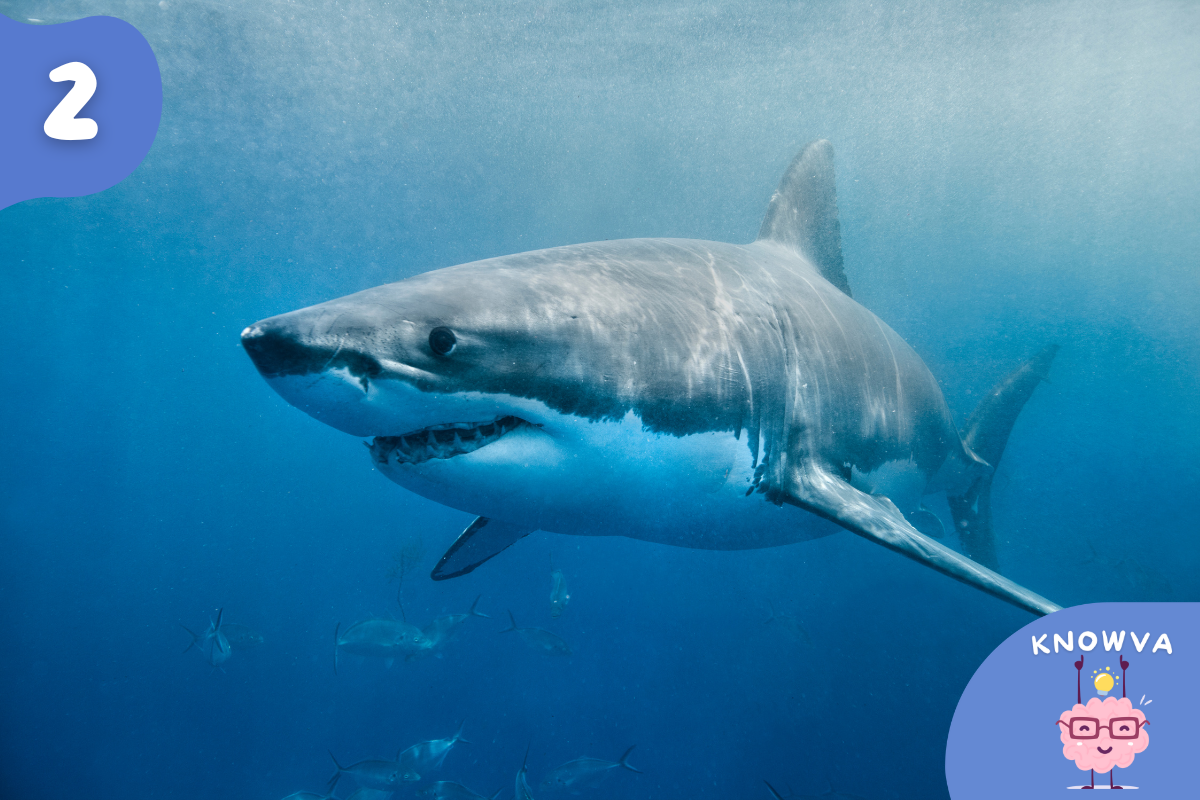
2. Sharks Existed Before Trees Did
Sharks have been around for over 400 million years, predating even the first trees. Their long history is a testament to their adaptability and resilience.
This fact can astonish children, challenging their perceptions of time and evolution, and encouraging them to explore the ancient history of life on Earth.
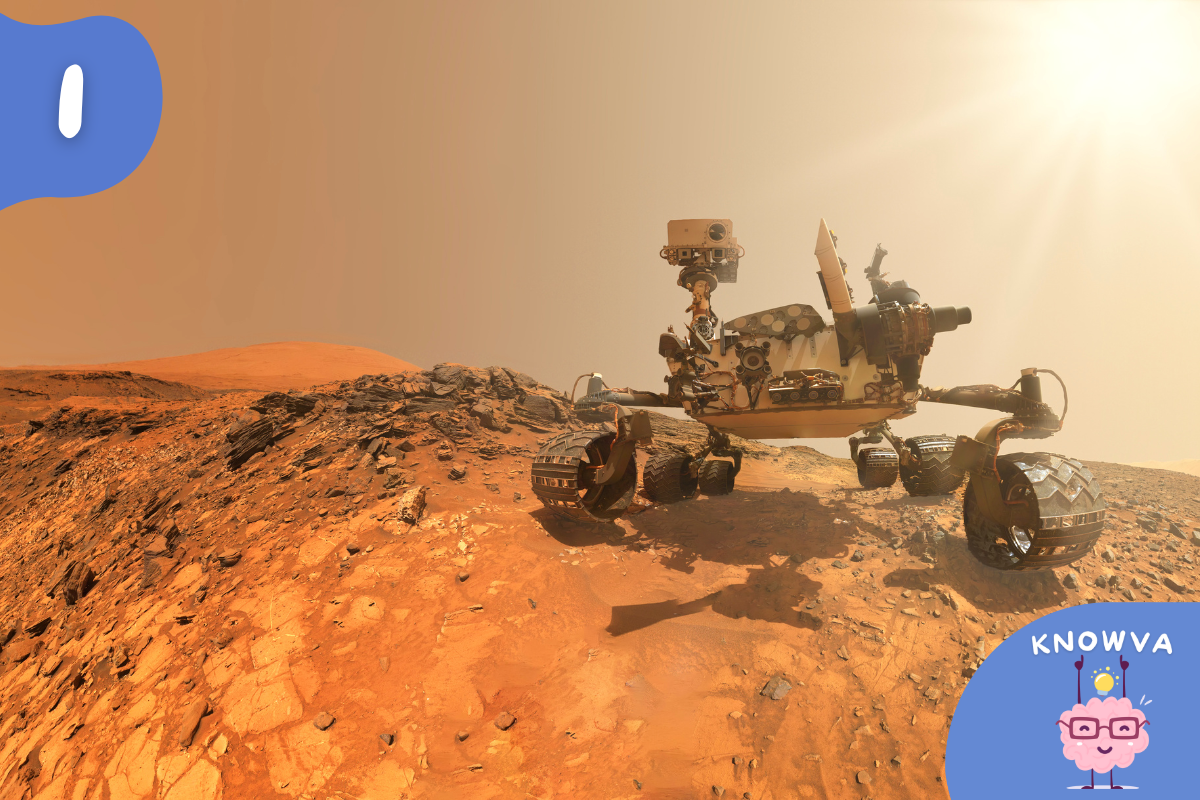
1. Robots on Mars Send Selfies Back to Earth
Mars rovers, like Curiosity and Perseverance, are equipped with cameras to capture images of the Martian landscape, including selfies. These photos provide valuable data for scientists.
The idea of robots taking selfies on another planet is thrilling for kids, sparking imaginations about space exploration and the future of interplanetary travel.
Conclusion
September's Knowva's Fact of the Day series offered a treasure trove of knowledge, each fact more intriguing than the last. From the depths of the ocean to the far reaches of space, these facts remind us of the incredible diversity and wonder of our universe. As we reflect on these insights, may they inspire curiosity and a lifelong love of learning in both young and old alike. Let the journey of discovery continue!
Ready to explore more topics like this?
Knowva helps children safely explore topics like this. Try it free and see how it supports calm, confident learning.
Try It Free